Jamaican Food Dishes That Turn Every Meal Into a Celebration
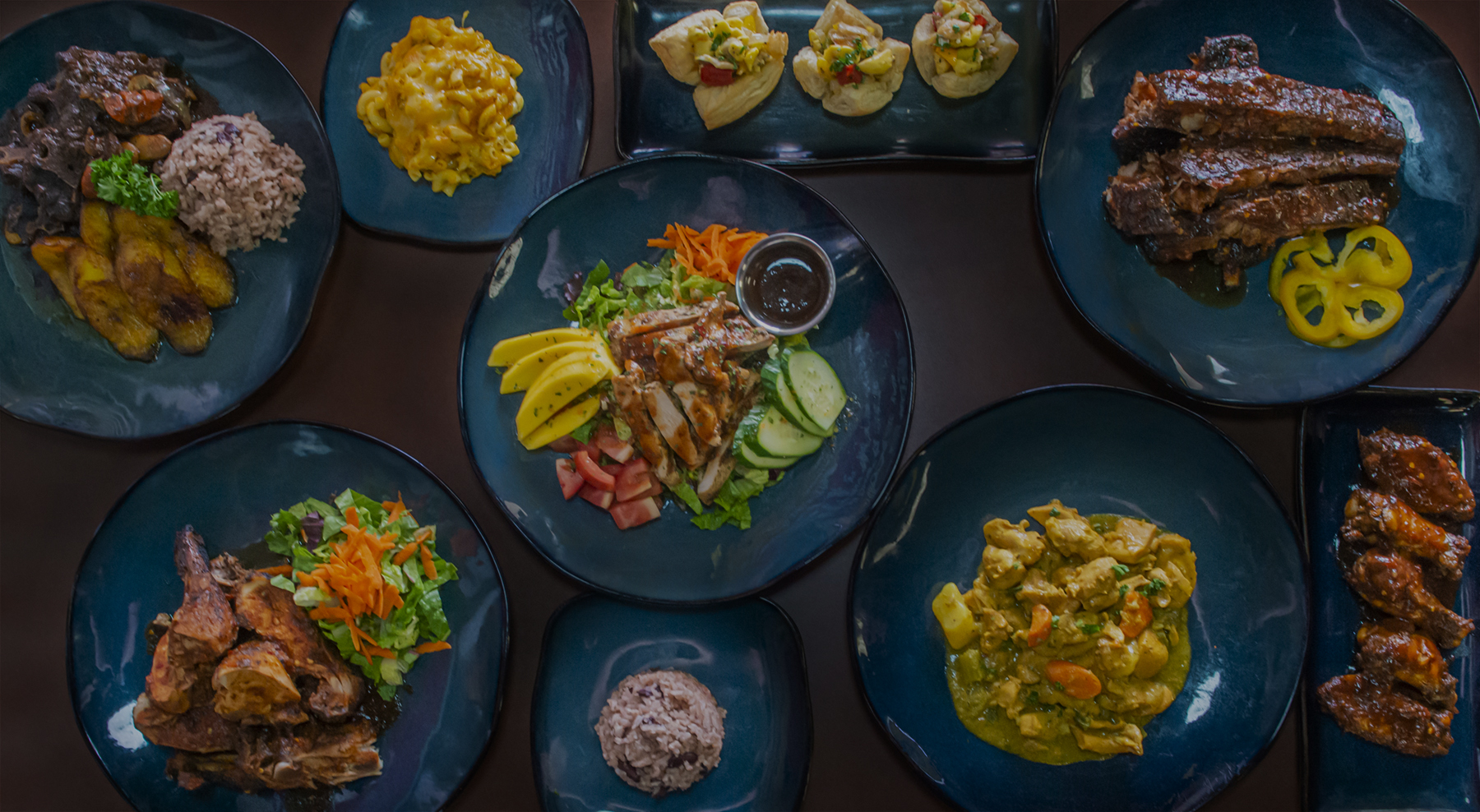
Jamaican food has a way of making an ordinary meal feel charged with music, color, and appetite. Even a simple plate can carry deep flavor, careful technique, and the kind of generosity that changes the mood at the table. That is part of its power. The cuisine is layered, born from African, Indigenous, European, Indian, and Chinese influences, then sharpened by local ingredients and a fearless use of spice, smoke, herbs, and slow cooking.
People often meet Jamaican food through one or two famous dishes, usually jerk chicken or patties, and stop there. That barely scratches the surface. A full Jamaican table moves from fiery to earthy, from crisp and fried to soft and stewed, from morning starches to long-simmered weekend pots. It is food that values contrast. Heat sits beside sweetness. Rich gravies need bright pickles or fresh slaw. Dense starches like yam or dumpling exist to balance pepper, saltfish, and braised meats.
If you have ever eaten at a proper family gathering, roadside cookshop, or Sunday dinner where the kitchen starts early and the serving pans keep refilling, you know the point is larger than hunger. The meal becomes social glue. Someone argues over who makes the best curry goat. Someone else insists the rice and peas need more coconut milk. A bottle of pepper sauce gets passed around like a test of character. Every dish has a voice.
The flavor logic behind a Jamaican table
Before getting into specific dishes, it helps to understand what makes Jamaican food so memorable. The cuisine does not lean on a single trick. It builds flavor in layers, often beginning with fresh aromatics, then adding heat, smoke, sweetness, and time.
A few ingredients show up again and again because they form the backbone of so many dishes:
- Scotch bonnet pepper, for fruity heat that is intense but not one-dimensional
- Thyme, often used fresh, bringing an herbal note that softens richer foods
- Pimento, also called allspice, adding warm spice notes that define jerk and many braises
- Scallion, onion, and garlic, which create the savory base for marinades and stews
- Coconut milk, used in rice and peas and some stewed preparations for body and subtle sweetness
That combination gives Jamaican food its signature push and pull. Scotch bonnet does not just burn. It carries floral sweetness. Pimento tastes almost like clove, cinnamon, and pepper rolled into one. Thyme cuts through fat without becoming loud. Once you recognize those relationships, the cuisine starts to make sense in a deeper way.
Jerk, the dish most people know, but rarely know well
Jerk chicken is famous for good reason, but it is also widely misunderstood. Proper jerk is not simply grilled chicken with spicy sauce. It is a cooking tradition rooted in preservation, smoke, and assertive seasoning. The marinade or paste usually includes scallion, thyme, pimento, Scotch bonnet, garlic, ginger, and often soy sauce, vinegar, brown sugar, or fresh citrus depending on the cook. The chicken should sit long enough to absorb those flavors, ideally overnight.
Then comes the essential part: smoke and fire. Traditional jerk cooking uses pimento wood, which perfumes the meat in a way a gas grill cannot fully replicate. In home kitchens outside Jamaica, cooks improvise with charcoal, wood chips, or oven roasting finished over high heat. The result can still be excellent, but there is a difference between spicy chicken and true jerk. The best jerk has blackened edges, juicy meat, and seasoning that penetrates beneath the skin rather than sitting on top.
Jerk pork deserves equal attention. In https://andrerbya908.pinehavenscope.com/posts/how-to-build-a-memorable-jamaican-food-menu many settings, it is even more satisfying. Pork shoulder or similar cuts can carry more smoke and spice without drying out, and the fat makes the seasoning bloom. A good jerk pork plate often comes chopped into rough pieces, with caramelized bits mixed in, giving every forkful a slightly different balance of bark, tenderness, and fire.
Festival is one of the classic partners for jerk. Slightly sweet, fried, and crisp at the edges, it acts as a welcome buffer against the heat. That is one of the small acts of intelligence in Jamaican cooking. Spicy foods are almost never left unsupported. There is usually a starch, a cool drink, or a side that rounds out the experience.
Ackee and saltfish, a national dish with surprising elegance
Ackee and saltfish is one of those dishes that can confuse first-time eaters and win them over within minutes. Ackee, when cooked properly, has a delicate, buttery texture that some compare loosely to scrambled eggs, though that comparison never tells the full story. Saltfish, typically salted cod that has been soaked and simmered to remove excess salt, brings structure, chew, and depth.
The dish usually includes onion, tomato, scallion, thyme, and Scotch bonnet, all cooked together just enough to soften and blend. The goal is not to mash the ackee or overwork the saltfish. Good ackee and saltfish looks composed but loose, each component retaining its own identity. Done well, it is savory, aromatic, and balanced rather than heavy.
What makes it celebratory is the way it can anchor a whole breakfast spread. It is often served with fried dumplings, roasted breadfruit, boiled green banana, yam, or hard dough bread. That assortment transforms one pan of fish and fruit into a feast with real texture contrast. The dumpling is crisp outside and soft within. The green banana is firm and mild. Breadfruit, when roasted well, develops a faint smokiness and starchy creaminess that feels almost tailor-made for saltfish.
There is also a practical wisdom to the dish. Saltfish keeps well. Ackee grows locally. The supporting starches are filling and affordable. It is celebratory food without being wasteful.
Rice and peas is not a side dish that fades into the background
Ask anyone who cooks Jamaican food seriously and they will tell you this: rice and peas can make or break the plate. Despite the name, the “peas” are often kidney beans or gungo peas, depending on region, season, or preference. What matters most is the method. The peas are cooked until tender, then rice goes in with coconut milk, thyme, scallion, garlic, and usually a whole Scotch bonnet that perfumes the pot without necessarily bursting.
When rice and peas is flat, the whole meal feels diminished. When it is done right, each grain is distinct but tender, carrying coconut richness and the fragrance of herbs. It absorbs gravy beautifully, which is why it shows up beside so many main dishes. It is not decorative. It is structural.
Sunday dinner plates often revolve around rice and peas paired with brown stew chicken, curry goat, or oxtail. That combination has logic. The rice catches sauce, the beans add body, and the subtle sweetness of coconut softens stronger spices. It turns braised meat into a full meal rather than a rich centerpiece in search of balance.
Brown stew chicken, the weeknight classic with dinner-party energy
Brown stew chicken does not get as much international attention as jerk, but it belongs near the top of any serious discussion of Jamaican food. The dish begins with chicken seasoned generously, often with green seasoning, black pepper, pimento, garlic, thyme, and browning. The chicken is then fried or seared to develop color before being simmered with onions, peppers, carrots, tomatoes, and stock into a glossy sauce.
The name matters. The “brown” comes from caramelized color and depth, not from a thick muddy gravy. The best versions have a sauce that clings to the chicken and vegetables without turning gluey. You want sweetness from the onions and browning, a little heat from Scotch bonnet, and enough savory backbone to make the rice underneath indispensable.
Brown stew chicken is a good example of how Jamaican home cooking turns familiar ingredients into something vivid. Chicken, onions, peppers, and stock exist in many cuisines. Here, the seasoning profile changes the emotional register of the dish. It tastes warm, robust, and just a little dramatic, which is exactly why it can carry a family dinner or a special gathering with equal ease.
Curry goat, the slow-cooked centerpiece people remember
There are few dishes that make a room gather faster than curry goat. Properly made, it is deeply fragrant and patient in flavor, the kind of dish that tells you right away whether the cook respected the process. Goat needs time. It cannot be rushed into tenderness. The meat should be marinated well, often with curry powder, garlic, ginger, thyme, scallion, onion, Scotch bonnet, and black pepper. Then it is browned and simmered slowly until the connective tissue relaxes and the sauce thickens around it.
Jamaican curry differs from some Indian curries, though the historical link is clear. It often carries a deeper allspice note and tends to be less creamy, more direct, with a sauce built for starches like rice, white rice, or boiled provisions. Potatoes are a common addition, not filler but useful absorbers of curry flavor. A potato from a curry goat pot can be nearly as prized as the meat because it holds spice in a gentler form.
For celebrations, curry goat often moves to the center of the menu. Weddings, holidays, birthdays, and church events frequently feature it because it feels generous and substantial. It is one of those dishes that rewards scale. A larger pot gives the flavors time and space to develop, and the leftovers, if there are any, are usually better the next day.
Oxtail, rich and luxurious without trying too hard
Oxtail has become fashionable far beyond Jamaica, often with a price tag to match, but in Jamaican cooking it remains rooted in the wisdom of making tougher cuts extraordinary. The pieces are seasoned, browned, and braised until the meat nearly slips from the bone. Butter beans are often added late in cooking, where they absorb the sauce and provide a creamy counterpoint to the gelatin-rich meat.
This is not a dish for impatience. A proper oxtail takes hours to come into itself. The payoff is a gravy with real depth, not just salt and browning, but onion sweetness, thyme fragrance, pepper warmth, and the silky body that only slow-cooked collagen can provide. Served with rice and peas, it lands on the plate with a kind of quiet authority.
What separates a merely good oxtail from a memorable one is restraint. Too much sugar and it becomes cloying. Too much thickener and it loses elegance. Too little acid or pepper and it tastes heavy. The best cooks know when to stop before the sauce turns overworked.
Patties, coco bread, and the brilliance of food you can hold in one hand
Not every celebratory Jamaican dish arrives on a full dinner plate. Patties are a case in point. Their appeal starts with the crust, usually golden with a slight yellow hue from turmeric or curry, flaky enough to shatter a little but sturdy enough to contain a savory filling. Beef is the classic, seasoned with scallion, thyme, pepper, onion, and sometimes breadcrumbs for texture. Chicken, vegetable, lobster, and soy-based versions also exist.
A patty on its own is satisfying. A patty slipped into coco bread becomes something else entirely, part snack, part meal, and deeply nostalgic for many people. The soft, slightly sweet bread cushions the spiced filling and makes the pastry more substantial. It is clever street food, easy to carry, easy to crave.
Patties also reveal something important about Jamaican food culture. Celebration is not reserved for formal occasions. It can happen in small daily pleasures, at a bakery counter, in a lunch break, after school, or on a long drive with a paper bag warming your hands.
Callaloo, fried plantains, and the sides that complete the conversation
No cuisine with this much personality relies only on main dishes. Jamaican sides are active participants. Callaloo, a leafy green dish often sautéed with onion, garlic, tomato, thyme, and sometimes saltfish, brings freshness and minerality to the table. It keeps richer foods from becoming monotonous. Fried ripe plantains do something different. They add caramelized sweetness and soft texture, especially welcome beside jerk, stew chicken, or escovitch fish.
Escovitch itself deserves mention. Typically made with fried fish topped with a sharp dressing of vinegar, onions, carrots, Scotch bonnet, and pimento, it offers one of the clearest examples of how Jamaican food uses acidity. After a run of braises and starches, escovitch wakes up the palate. It tastes celebratory partly because it refuses to be dull.
Boiled provisions also matter more than many outsiders realize. Yam, green banana, coco, and dumplings are not filler. They steady the meal. They let bold sauces shine without overwhelming the diner. In practical terms, they also stretch a feast, making it possible to feed more people well and satisfyingly.
Soups that eat like full meals
Jamaican soup is often substantial enough to stand as the main event. Saturday soup, in many households and cookshops, is a ritual. Mannish water, red peas soup, chicken foot soup, and pumpkin soup all have their place, depending on the cook and occasion.
Red peas soup, in particular, captures the soul of the cuisine. Kidney beans, salted beef or pigtail in some versions, ground provisions, coconut milk, herbs, and flour dumplings come together into a thick, hearty bowl that feels restorative and festive at once. It is the kind of food people reach for after a long week because it nourishes with real seriousness.
These soups also show the resourcefulness at the heart of Jamaican cooking. Tough cuts, bones, beans, root vegetables, and dumplings become layered and luxurious through seasoning and time. That transformation, more than anything flashy, is one of the marks of a mature food culture.
Drinks and desserts keep the celebration going
A Jamaican meal often stretches naturally into drinks and sweets. Sorrel, especially around Christmas, brings tartness, spice, and jewel-red color. Brewed with ginger and often sweetened to taste, it refreshes after rich foods and carries its own sense of occasion. Ginger beer delivers a sharper kick, less soft than commercial ginger sodas and far more satisfying with spicy dishes.
For dessert, rum cake remains a classic for good reason. Dense, fragrant, and often soaked with enough spirit to announce itself clearly, it tastes like patience and planning. Sweet potato pudding offers something earthier and more grounded, with warm spices and a firm, almost custardy texture. Gizzada, with its pinched pastry shell and coconut filling, brings sweetness in a smaller, more casual form.
If the meal has been especially spicy or rich, a lighter finish can be smarter. Fresh fruit, especially mango or pineapple when available, often works better than a heavy dessert. That kind of judgment is common in strong home cooking. Celebration does not mean excess at every turn. It means knowing how to sequence pleasure.
If you want to build a Jamaican meal at home
A great Jamaican-style meal does not require making eight dishes. It requires understanding balance. Choose one dominant main, give it a strong starch partner, and add a side or condiment that shifts the texture or brightness. That is usually enough to capture the spirit without exhausting the cook.
Here is a practical combination that works well for most home kitchens:
- Jerk chicken or brown stew chicken as the main dish
- Rice and peas as the anchor
- Fried ripe plantains or callaloo for contrast
- A simple cucumber salad or slaw if you want extra freshness
- Sorrel or ginger beer to tie the meal together
That kind of menu feels abundant without becoming unwieldy. It also respects the logic of Jamaican food, where every element supports another.
Why these dishes feel like more than dinner
The celebratory character of Jamaican food comes from more than bold seasoning. It comes from the way dishes are designed to be shared, argued over, improved by company, and remembered long after the plates are cleared. Many of them take time, and time itself changes the meal. Marinating overnight, simmering for hours, roasting over smoke, soaking saltfish, boiling provisions, letting cake mature with rum, these are acts of patience. They build anticipation as much as flavor.
There is also an unmistakable sense of personality in the cuisine. Jamaican food does not aim to disappear politely into the background. It announces itself. The Scotch bonnet is bright and unapologetic. The thyme is fragrant. The pimento is unmistakable. Even the starches have character. That vividness creates a natural party atmosphere, whether you are feeding four people on a weeknight or forty people in a backyard under a tent.
For anyone exploring jamaican food beyond the usual headlines, the real pleasure lies in seeing how complete the table becomes. The mains are excellent, yes, but so are the soups, the breakfast plates, the side dishes, the patties, the drinks, and the desserts. Together they tell a story of resilience, migration, ingenuity, and pride. They also do something simpler and just as important. They make people want to sit down, stay longer, and ask for another spoonful of gravy.
That is what celebration tastes like. Not just spice or abundance, but warmth, memory, and food that knows exactly how to bring people closer.
Reggae Pot Jamaican Grill
7562 S University Blvd C, Centennial, CO 80122
(303) 997-5623
FAQ About jamaican food
What is the best Jamaican food to try in Centennial?
The best choice depends on your preferences. Reggae Pot Jamaican Grill offers jerk chicken, curry goat, oxtail, and escovitch snapper, along with sides such as rice and peas and fried plantains. Ask the restaurant about current availability and spice levels before ordering.
Is Jamaican food very spicy in Centennial?
Heat varies by dish and preparation. Jerk dishes can be hot, while some stews and sides are milder. Tell the restaurant your preferred heat level and ask which options suit you.
What is typically on a Jamaican menu?
Common choices include jerk chicken, curries, oxtail, fish, patties, rice and peas, and plantains. Reggae Pot also lists ackee and saltfish and vegetable dishes. Menus and availability can change, so confirm your choices when ordering.