The Qualities That Define a Top Pizza Restaurant


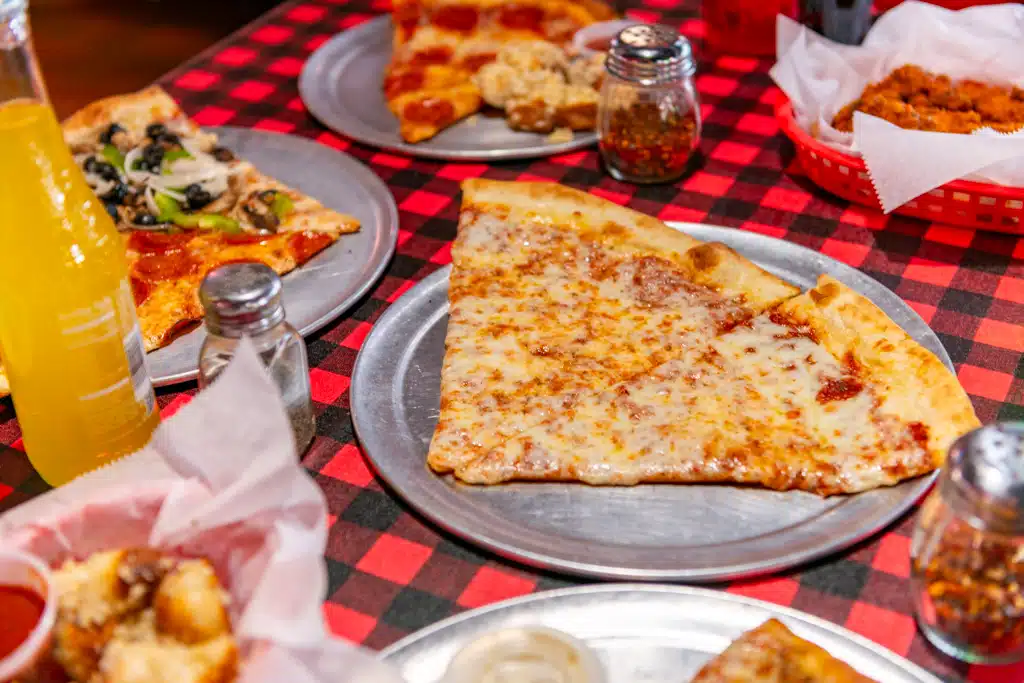
A great pizza restaurant reveals itself before the first slice hits the table. You notice it in the smell at the door, in the way the dining room sounds, in the confidence of the staff, and in the condition of the ovens, counters, and floors. Long before anyone talks about artisan flour, fermentation schedules, or imported tomatoes, the fundamentals are already on display. A top operation does not hide behind marketing. It proves itself in the details.
People often reduce the conversation to style. New York, Neapolitan, Roman, Detroit, tavern, Sicilian. Those distinctions matter, and they matter a lot to the guests who know what they like. But style alone does not define excellence. The best pizza restaurant in any category is usually the one that understands its own identity so well that every decision supports it, from dough handling to staffing levels on a Friday night.
That sounds simple, but it rarely is. Pizza is one of the most forgiving foods to casual diners and one of the most demanding foods to execute consistently. Most customers will forgive a slightly uneven bake once in a while. They will not forgive a pattern of weak crust, poor service, long waits, or a room that feels neglected. Pizza has a humble reputation, yet running an excellent pizza restaurant requires discipline across product, hospitality, operations, and judgment.
It starts with a point of view
Top restaurants know exactly what kind of pizza they want to serve, and just as important, what they do not want to be. That clarity shapes the menu, the oven choice, the dough formula, the pricing, and the guest experience. A shop trying to please every preference often ends up with a muddled identity. The crust becomes generic. Toppings pile up without purpose. The kitchen spends its energy stretching in too many directions.
A focused place feels different. If it specializes in wood-fired pies with a tender center and leopard-spotted crust, everything in the system supports that result. The flour, hydration, fermentation time, oven temperature, bake time, and topping load work in harmony. If the restaurant serves crisp, square pan pizza with a caramelized edge, it leans into that with the right pans, proper proofing, controlled oil use, and toppings that can stand up to a longer bake.
Guests may not use technical language, but they recognize coherence. They can tell when a pie tastes intentional. One of the clearest signs of quality is that the restaurant delivers its chosen style faithfully, without apology and without confusion.
Dough tells you almost everything
If you want to assess a pizza restaurant quickly, watch what comes out of the oven and start with the crust. Dough is labor, timing, and judgment made visible. It is also where corners are easiest to detect.
Excellent dough has structure and character. Depending on style, that could mean a delicate open crumb, a sturdy chew, a glass-like crackle, or a fluffy interior under a crisp shell. What it should not be is lifeless. Bland dough usually points to rushed fermentation, a weak baking program, poor flour choice, or inconsistent handling. When the crust exists only as a vehicle for cheese and sauce, the restaurant is leaving too much on the table.
Fermentation is one of the least glamorous and most important variables. Give dough enough time, and it develops flavor, extensibility, and better browning. Rush it, and the result tends to be dense, flat-tasting, or difficult to digest. There is no single correct schedule, because temperature, flour strength, yeast levels, and style all matter. Still, the best operators respect time. They do not talk about dough as if it were a one-hour commodity.
Handling matters just as much. A skilled pizza maker can tell from touch whether a dough ball is underproofed, overproofed, too cold, too warm, too tight, or on the edge of collapse. That tactile judgment separates practiced professionals from places that simply follow a chart. Great dough programs rely on process, but they also rely on people who know when the dough is asking for an adjustment.
The sauce should taste alive, not engineered
Good sauce is harder than it looks. Because tomatoes are familiar, many diners assume sauce is the easy part. It is not. Sauce can brighten a pizza or flatten it. It can add balance, moisture, and sweetness, or it can smother the crust and fight every other ingredient.
The best sauce tastes fresh and direct. That does not necessarily mean uncooked. It means the tomato remains the center of gravity. Seasoning should sharpen the natural character of the fruit rather than cover it. Too much sugar often signals weak tomatoes. Too much oregano, garlic, or onion powder can make the sauce feel generic. Excessive salt may create impact in the first bite but fatigue by the third slice.
Style changes the target. A classic New York slice may need a cooked sauce with body and a touch of sweetness to support a foldable, cheese-forward profile. A Neapolitan pie often benefits from a lighter hand that lets the tomato speak plainly. A Detroit pie may use sauce strategically, even after the bake, to preserve the crust's texture and create contrast. The point is not minimalism for its own sake. The point is proportion.
In a top pizza restaurant, the sauce belongs to the crust rather than sitting on top of it like an unrelated layer.
Cheese is not just cheese
Cheese is where many restaurants spend money poorly. Guests may assume that more cheese means more value, but excess usually dulls a pizza. It hides the sauce, weighs down the bake, releases too much oil, and blurs the texture of the crust. Better restaurants understand that cheese is a seasoning as much as a major ingredient.
Low-moisture mozzarella, fresh mozzarella, provolone, pecorino, parmesan, scamorza, and regional blends all behave differently under heat. Moisture content affects browning and melt. Fat level affects richness. Age affects salt and nuttiness. A top kitchen does not choose cheese on price alone. It chooses based on bake profile, style, and desired finish.
Restraint is a sign of confidence here. So is consistency. If the center of the pie puddles one day and bakes cleanly the next, the restaurant likely has portioning or temperature-control issues. Strong shops weigh ingredients, train staff to distribute evenly, and think carefully about when each topping hits the pizza. That sounds technical, but diners feel the result instantly. The slice lands cleaner. The flavors are more distinct. The crust holds.
Toppings should serve the pie, not bury it
There is a reason memorable pizzas often have fewer toppings than mediocre ones. Pizza is one of the easiest dishes to overload. Every topping contributes water, fat, salt, and weight. Pile on too much, and the crust steams instead of bakes. Flavors muddy. Structural integrity disappears. Even premium ingredients can perform badly if used without discipline.
A top pizza restaurant respects the physics of the pie. Mushrooms are handled with an eye to moisture. Pepperoni is chosen not only for flavor but for how it cups, crisps, and renders. Sausage is seasoned to complement the sauce rather than overpower it. Vegetables are cut to cook at the same rate as the dough. Fresh greens, soft cheeses, and cured meats may go on after baking if that preserves their character.
This is where judgment beats trend chasing. Not every fashionable ingredient belongs on pizza. Some ingredients sound luxurious and eat terribly. Others sound ordinary and become exceptional in the right hands. Great pizzerias know the difference.
Heat, timing, and the oven define texture
Many of the qualities people love in pizza are really heat management in disguise. Char, blistering, oven spring, crispness, chew, caramelization, and tenderness all depend on how energy moves through dough and toppings.
A wood-fired oven can produce wonderful results, but it is not a guarantee of quality. Neither is a deck oven, conveyor, gas brick oven, or electric system. Each has strengths and trade-offs. The best restaurant is the one that understands its oven deeply enough to produce the intended pizza every service.
That means more than setting a thermostat. It means reading the deck, rotating at the right moment, managing recovery between pies, and knowing how ambient conditions affect bake times. A rainy day, a slammed dining room, or a series of heavily topped orders can expose weak oven discipline fast. Good operators adapt quietly. Poor ones blame the rush.
I have watched seasoned pizza makers work a crowded service with the calm of mechanics and the reflexes of line cooks. They do not look theatrical. They https://maps.app.goo.gl/ntzwCaPe4fpT5h2h7 look precise. A peel enters the oven, turns the pie once, then again, and the pizza emerges exactly when the crust has reached the edge between color and bitterness. That timing cannot be faked.
Service shapes the way the pizza is remembered
People sometimes speak as if food quality and service quality are separate categories. In practice, they merge. A pizza that arrives late, lukewarm, or after a confused interaction loses part of its appeal, no matter how good it was a minute earlier. The best pizza restaurant understands that hospitality is not decoration around the meal. It is one of the ingredients.
Strong service in a pizzeria looks a little different than strong service in fine dining, but the principles are the same. Staff should know the menu, guide first-time guests without condescension, pace the table intelligently, and move with urgency during busy periods. They should also understand the product well enough to explain why one pie is softer in the center, why another has a firmer bite, or why a certain topping combination works better than it sounds.
The simplest markers are often the most revealing. Does the host acknowledge people promptly? Are online pickup times realistic? Does the server check whether the guest wants grated cheese, chili oil, or another beverage before the pie is gone? If there is a delay, does someone communicate clearly? These are not grand gestures. They are signs of a disciplined house.
A restaurant can survive occasional kitchen mistakes. It struggles to survive indifference.
Consistency is the hardest quality to build
Anyone can produce a beautiful pizza on a quiet afternoon. The real test comes on a Saturday night with new staff on the floor, a stack of delivery tickets printing, a late prep item, and three large parties seated at once. That is when quality systems either hold or break.
Consistency depends on routines that are often invisible to guests. Dough has to be mixed, balled, labeled, proofed, tempered, and rotated correctly. Sauce must be portioned properly. Cheese needs to be stored at the right temperature and applied in measured amounts. Ovens must be calibrated and cleaned. Stations must be stocked for volume without sacrificing freshness. Training needs to cover not just best-case conditions but also recovery when things drift.
One useful way to think about a top pizza restaurant is to look at how many things it does predictably well, every day, under pressure. A place that gets the basics right nine times out of ten is not at the top yet. The standard is higher. Repeat guests build habits around reliability. They return because they trust the restaurant to deliver the experience they remember.
That does not mean robotic sameness. Handcrafted food should still feel alive. It means disciplined variation within a controlled range. The crust may char a touch more on one pie than another. Basil leaves may land differently. The soul should stay intact.
Cleanliness and maintenance are part of flavor
Some operators treat cleanliness as a separate compliance issue. Strong operators understand that sanitation and maintenance are quality issues. Old grease, flour buildup, sticky menus, cloudy glassware, and neglected restrooms all tell the guest the same thing, even if the pizza is decent: standards are slipping.
The visual cues matter, but the operational effects matter even more. A dirty oven bakes differently. A neglected dough tray system creates inconsistency. A dull pizza wheel tears slices instead of cutting cleanly. A poorly maintained refrigeration unit shortens shelf life and destabilizes prep. Small physical problems have a way of becoming quality problems in the guest's hands.
Most diners cannot describe these links in technical terms, yet they feel them instinctively. Restaurants that take care of their spaces usually take care of their food. The reverse is often true too.
The menu should show restraint and intelligence
A smart menu does not need to be small, but it does need to make sense. Too many pizzas with tiny variations suggest uncertainty rather than abundance. When every pie has six or seven toppings and half of them overlap awkwardly, the menu reads like a compromise between creativity and indecision.
The strongest menus tend to do a few things well:
- They anchor the house style with a short set of core pies.
- They give enough range for different tastes without becoming bloated.
- They balance classics with one or two signatures that express personality.
- They support smooth kitchen execution during peak hours.
- They price according to ingredient reality, not wishful thinking.
Notice what is missing from many mediocre menus: discipline. A top pizza restaurant knows that every additional topping combination has operational cost. It affects prep, storage, ticket times, and the chance of error. Guests may enjoy choice, but they appreciate confidence more.
Value is not the same as low price
Pizza sits in a tricky economic space. For some guests, it is an everyday comfort food. For others, especially in a well-designed full-service setting, it is a legitimate dining-out choice that competes with far pricier categories. Great restaurants understand that value is measured by the full experience, not just the menu total.
A ten-dollar pie that disappoints is expensive. A twenty-six-dollar pie with excellent ingredients, proper fermentation, attentive service, and a satisfying atmosphere can feel fair. What people resist is not price alone. They resist mismatch. If the restaurant charges a premium, the room, service, beverage program, product quality, and consistency all have to support that position.
This is where self-awareness matters again. Neighborhood slice shops and destination pizzerias can both be outstanding, but they cannot borrow each other's pricing logic without earning it.
Atmosphere should support the food, not distract from it
The best pizzerias understand mood. Some lean lively and crowded, with fast table turns, open kitchen noise, and a bit of flour in the air. Others aim for warmth, comfort, and a longer meal with wine, salads, and conversation. Either can work beautifully if the environment matches the concept.
Problems start when the room fights the food. A place built for quick slices should not make guests endure a twenty-minute pickup bottleneck in a cramped entry. A full-service dining room should not blast music so loudly that servers cannot explain the specials. Lighting, acoustics, seating comfort, ventilation, and layout shape the way people perceive taste more than many owners realize.
I have seen excellent pizza lose impact in a room that felt chaotic and neglected. I have also seen modestly sized pies feel more memorable because the dining room, service, and pacing created pleasure around them. Atmosphere does not rescue weak food, but it does sharpen strong food.
Delivery and takeout deserve the same rigor
Pizza is one of the most transportable foods in the restaurant business, but that does not mean every pizza travels well. A top pizza restaurant thinks seriously about the difference between dine-in and off-premise quality. The box matters. Venting matters. Cut size matters. Timing matters. So does honesty about what holds up in transit.
Some styles can survive fifteen to twenty minutes in a box with little loss. Others decline quickly as steam softens the crust. Strong operators know this and adjust. They may recommend certain pies for delivery, delay finishing ingredients until pickup, or slightly alter the bake for transport. They also train staff to handle packaging cleanly and to stage orders so they do not sit under heat lamps longer than necessary.
Many restaurants claim to care about takeout, then treat it as an afterthought. Guests notice. A soggy pizza in a wet box tells them the restaurant was thinking about transaction volume, not outcome.
The best places keep refining without chasing every fad
A top pizza restaurant is rarely static. It tunes fermentation with the seasons, replaces weak suppliers, retrains staff, edits the menu, and fixes small points of friction before they become obvious. Yet there is a difference between refinement and restless trend chasing.
Restaurants lose their footing when they abandon what made them good in pursuit of novelty. Hot honey, vodka sauce, burrata, pickled toppings, regional flour blends, and tasting-menu collaborations can all be worthwhile if they fit the house style. They become noise when they are used to mask drift in the fundamentals.
The strongest operators have patience. They know guests return for a recognizable standard, not for constant reinvention. Improvement happens underneath that stability. The dough gets a little better. The pacing gets tighter. The wine list makes more sense. The pickup process becomes smoother. Nothing feels dramatic, but the restaurant keeps getting stronger.
What guests remember when the meal is over
When people describe their favorite pizza restaurant, they rarely speak only about crust chemistry or topping ratios. They talk about how the place made them feel. The pie was hot, balanced, and unmistakably itself. The staff seemed competent and glad to be there. The room felt alive. The wait, if there was one, felt worth it. Nothing important was off.
That is what defines the top tier. Not perfection in a laboratory sense, but the steady delivery of pleasure backed by craft. The dough has flavor. The sauce has purpose. The cheese is handled with restraint. The bake shows skill. The service has rhythm. The whole operation feels thought through.
A truly great pizza restaurant earns loyalty because it respects both the food and the people eating it. That combination is rarer than it should be, and easy to recognize when you find it.