Why a Pizza Restaurant Is More Than Just a Place to Eat
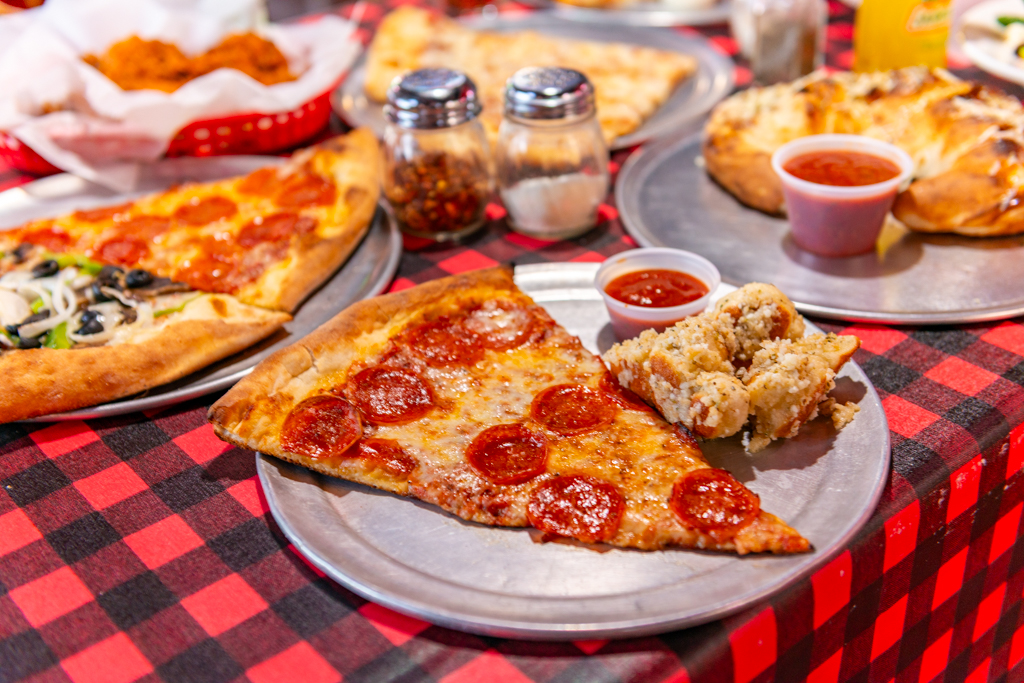

A good pizza restaurant does something that many businesses spend years trying to manufacture and rarely achieve. It becomes part of people’s routines without feeling routine. It hosts first dates and post-game dinners, quick lunches and long family nights, awkward teenage hangouts and retirement celebrations. The food matters, of course. If the crust is poor, the sauce flat, or the cheese greasy in the wrong way, none of the rest holds up for long. But when a pizza restaurant is run well, it becomes more than a stop for calories. It turns into shared ground.
That distinction matters because restaurants are often judged too narrowly. People talk about menu prices, portion sizes, delivery times, and online reviews. Those are valid measures, but they miss the full role a neighborhood pizza restaurant can play. In practical terms, these places feed people. In human terms, they often anchor a block, soften a weeknight, and give a community a room where different kinds of people can comfortably overlap.
Anyone who has spent real time in the restaurant business knows that not all concepts are built the same way. A white-tablecloth dining room asks guests to behave a certain way. A fast-food counter asks them to hurry. A pizza restaurant sits in a rare middle ground. It can be casual without feeling disposable, affordable without feeling cheap, and familiar without becoming dull. That combination is harder to create than it looks.
The room itself carries meaning
Walk into a well-loved pizza restaurant on a Friday at 6:30 p.m. And pay attention to what is happening beyond the plates. A parent is negotiating with a tired six-year-old over whether mushrooms count as a real topping. Two contractors are sharing a large pie at the bar, still in work boots, talking over the noise of the oven and front door. A couple in their seventies has their usual booth. A teenager is picking up three boxes for a birthday party, trying not to drop the soda. A server is moving fast, but not in panic. The room has energy, but also permission. You do not have to perform there.
That atmosphere does not emerge by accident. It comes from dozens of operational decisions that customers rarely see. Lighting that is bright enough for families but warm enough for evening dinners. Tables spaced so a stroller can pass without turning the room into a traffic jam. Music low enough for conversation. A menu broad enough to handle picky eaters, vegetarians, and the person who insists they are “not that hungry” before eating two slices and a garlic knot. When these details are handled with care, the restaurant becomes emotionally useful, not just commercially viable.
There is a reason people keep returning to the same pizza restaurant even when another one opens closer to home. Familiarity has value. In a world full of transactions, recognition still feels rare. Being greeted by name, or having the staff remember that your son hates olives and your father always orders extra red pepper flakes, creates a subtle but durable loyalty. It tells customers that they are not interchangeable.
Pizza is one of the few foods that works across almost every occasion
This flexibility is one reason pizza restaurants occupy such a strong place in local life. Few foods can move so easily between settings. Pizza fits a lunch break, a team dinner, a children’s party, a late-night bite, and a low-key anniversary meal on a month when money is tight. It can be eaten in a dining room, at a kitchen counter, on a tailgate, or on a paper plate at a school fundraiser.
That range is not trivial. Most restaurant formats are narrower than they appear. A steakhouse may be excellent, but it is not where most people gather after a Little League game. A coffee shop may foster conversation, but it does not solve dinner for a family of five at 8 p.m. A pizza restaurant occupies a practical sweet spot. It handles groups well. It scales up and down. It satisfies people with very different appetites and budgets at the same table.
This is especially important for mixed groups, where dining can otherwise become a negotiation. Shared food changes the social dynamic. Ordering a few pies for the table invites conversation in a way that individually plated entrees often do not. People reach, offer, compare, trade slices, and keep talking. A meal becomes less segmented. There is a small but real social ease in that.
From an operator’s perspective, this flexibility also builds resilience. A pizza restaurant can draw dine-in traffic, takeout regulars, delivery demand, school team orders, and office catering. It can survive slower lunch periods if weekend family business is strong. It can weather seasonal swings better than concepts tied to one occasion. That does not make the business easy. Food costs still move, labor remains challenging, and rent does not care how charming the dining room feels. But pizza, as a product, gives the operator more paths to relevance than many menus do.
The best pizza restaurants become neighborhood infrastructure
That phrase may sound grand for a place selling slices and salads, but in many towns it is accurate. A neighborhood depends on more than roads, schools, and stores. It also needs informal gathering places, especially ones that do not impose a high cost of entry. A pizza restaurant often fills that role.
Think about where local teams celebrate after games. Think about where schools post fundraiser flyers. Think about which business donates gift cards to the silent auction, feeds the church youth group, or sends trays to the volunteer fire department after a long shift. In many communities, the answer is the local pizza place. It becomes woven into events that have nothing to do with the menu and everything to do with belonging.
This is one reason chains and independents affect neighborhoods differently, even when both serve decent food. A national brand can deliver consistency, purchasing power, and efficient systems. Those advantages are real. But an https://miloyzlb475.tearosediner.net/how-to-spot-quality-at-a-pizza-restaurant independent pizza restaurant often has stronger local reflexes. The owner knows which high school made the playoffs. They know who just opened a hardware store down the street. They sponsor the youth soccer jerseys not because a corporate marketing calendar says to, but because their niece is on the team.
That local involvement is not sentimental decoration. It creates reciprocal trust. During difficult periods, whether it is road construction, a storm, or a slow winter, communities often rally around businesses that have already shown up for them. People make the extra effort to order from places that feel like theirs.
There is craft behind the comfort
Pizza is familiar, and familiar food is sometimes underestimated. Because nearly everyone has eaten pizza, many assume it is simple to make well at scale. It is not. Great pizza demands technique, judgment, and consistency. The dough alone is a study in variables: flour protein, hydration, fermentation time, room temperature, oil content, salt balance, yeast activity, and how the dough is handled after proofing. Tiny changes show up immediately in texture and flavor.
The sauce is another point where experience matters. A sauce that tastes bright from the spoon may cook too sweet on the pie. One that seems restrained raw may open beautifully under heat. Cheese blends affect browning, stretch, and moisture release. Oven type changes everything. A deck oven, a conveyor, a wood-fired setup, and a gas stone oven each reward different approaches. There is no universal best system. There is only fit, competence, and clarity about what style the restaurant is trying to achieve.
Customers may not speak in technical terms, but they notice the results. They notice when the crust has structure yet still folds. They notice when toppings are distributed intelligently instead of piled in the center. They notice when the kitchen understands restraint. A pizza overloaded with ingredients can look generous and still eat poorly. Too much moisture ruins texture. Too many strong flavors flatten each other out. Real craft often appears as balance rather than spectacle.
That craft extends beyond the pizza itself. A strong pizza restaurant knows that side items and service details matter because they complete the meal and shape memory. A crisp salad with cold plates can reset the palate. A house-made ranch, if that fits the region, can become a signature. Garlic knots served hot enough to steam when torn apart create anticipation the moment they hit the table. These are not side notes. They are part of the restaurant’s identity.
Affordability changes who gets to participate
One of the quiet strengths of a pizza restaurant is that it often remains accessible when many other dining options do not. Prices have risen across the industry, and even pizza is not immune. Cheese markets fluctuate, flour costs shift, utility bills climb, and labor is more expensive than it was a few years ago. Even so, pizza still tends to be one of the more democratic meals in the restaurant landscape.
That affordability changes behavior. Families can dine out without turning dinner into a budget meeting. A college student can treat friends after payday. A coach can feed a team without needing a sponsor for every box. A church group can order enough food for a volunteer event without sacrificing quality entirely. The point is not that pizza is cheap. The point is that a pizza restaurant often offers a generous social return for the money spent.
Operators feel the tension here every day. Guests want value, and rightly so. But value is not the same as the lowest price. A restaurant that slashes quality to hit a promotional number may win a few transactions and lose long-term trust. Better operators know how to communicate value in more durable ways: well-sized portions, reliable quality, family bundles that make sense, lunch specials that do not feel like leftovers, and service that respects the customer’s time.
When a pizza restaurant gets this right, it becomes part of ordinary life rather than a rare treat. That matters more than many marketing teams admit. Relevance is built through repeat visits, not occasional spectacle.
It teaches hospitality in a direct, visible way
Some restaurant concepts can hide weak hospitality behind formal scripts or tightly controlled pacing. A pizza restaurant cannot. The service style is usually too exposed and too human for that. The host stand is often close to the door, the counter visible, the kitchen partly in view, the pickup area active. Customers can sense quickly whether the place is genuinely run with care.
Hospitality in this setting is not ornate. It is practical. It looks like telling a parent where the high chair is before they ask. It looks like remaking a pie without argument when the order was misunderstood. It looks like reading the room, knowing when a table wants a quick meal and when a group wants to linger over another pitcher of soda. It looks like answering the phone with patience during a rush because the person calling may be ordering dinner for eight after a hard day.
These gestures sound small, but they are cumulative. They form the difference between a competent operation and a beloved one. Over time, people do not only remember flavor. They remember how easy or difficult the restaurant made their evening.
For young workers, a pizza restaurant is often an early school for responsibility. Many people take their first food-service job folding boxes, running slices to tables, answering phones, or learning to manage a dinner rush without falling apart. Those skills travel. Timing, teamwork, reading people, solving small problems quickly, and staying calm while the printer spits out ticket after ticket, these lessons shape future managers, entrepreneurs, and professionals in other fields.
The business reflects the character of the owners
Spend enough time around independent restaurants and one truth becomes obvious: the owner’s values eventually show up in the room. In a pizza restaurant, that relationship is especially visible because the operation is repetitive enough to reveal habits, but personal enough to reveal standards.
If the owner cuts corners, the place eventually feels tired. The bathrooms slide first, then the menus, then the edges of service. If the owner chases trends without understanding their customer base, the menu becomes confused. A neighborhood that wants a dependable Tuesday dinner does not necessarily need hot honey burrata pickle experiments every other week. Creativity has its place, but not when it breaks the restaurant’s contract with regulars.
On the other hand, owners who pay attention can create a place with remarkable staying power. They know when to update and when to leave well enough alone. They refresh the dining room without sanding off its personality. They add online ordering because customers need it, but they still answer the phone like a human being. They understand that expansion can dilute quality if the systems and leadership are not ready.
This is where judgment matters most. A pizza restaurant can fail by refusing to change, and it can fail just as easily by changing for the sake of motion. The strongest operators recognize which parts of the business are identity and which are merely tools.
Ritual is part of the appeal
People do not only return for taste. They return for ritual. That may mean Friday night takeout after a long workweek, one booth always requested by the same family, or a standing order placed after Sunday practice. These habits matter because they stabilize life in modest, repeatable ways.
Restaurants that become part of ritual earn a kind of trust that advertising cannot buy. They enter the emotional calendar of their customers. A child grows up associating a certain pizza restaurant with report-card celebrations. A couple remembers it as the first place they could afford to eat out regularly. A group of old friends meets there every month because no one feels pressure to dress up, spend too much, or leave quickly.
This steady role may not look glamorous from the outside, but it is powerful. Hospitality at its best does not always announce itself. Sometimes it simply keeps showing up, hot and on time, with enough napkins in the bag and the right toppings on the half-and-half pie.
Even the flaws can be part of the identity
Not every great pizza restaurant is polished. Some have imperfect parking, a cramped entryway, a dining room that gets loud, or booths that have seen better days. Under other circumstances, these would count against them. Yet in many cases, those rough edges become part of the place’s texture, provided the fundamentals remain strong.
There is a difference between character and neglect. Sticky tables, poor sanitation, or chaotic service are not charming. But a restaurant can be slightly worn and still deeply welcoming. In fact, many customers trust a place more when it feels lived in rather than stage-managed. The key is that the wear should suggest use and history, not indifference.
This is another reason a pizza restaurant often occupies a special category in people’s minds. It does not need perfection to feel essential. It needs honesty, consistency, and enough quality to justify affection. That is a more durable standard than trendiness.
Why people miss these places when they are gone
The clearest proof that a pizza restaurant is more than a place to eat comes after it closes. When one disappears, people do not just say they lost a convenient dinner option. They talk about the birthday dinners, the team parties, the owner who always asked about their mother, the smell of dough when the door opened in winter, the booth in the back, the slices after school, the sense that the neighborhood had a center of gravity and now feels slightly lighter without it.
That reaction tells the truth. Restaurants are not important only because they serve food. Some of them matter because they organize memory. A pizza restaurant often does this better than more ambitious concepts because it is woven into ordinary life, and ordinary life is where most meaning actually accumulates.
For all the talk about branding, disruption, and scalability, people still respond to places that feel grounded. A good pizza restaurant does not need to pretend to be a cultural institution. If it feeds people well, welcomes them consistently, supports its neighborhood, and gives them a reliable setting for the moments that fill a life, it already is one.
That is why the best pizza restaurant in town is rarely judged only by crust blistering, topping combinations, or who has the biggest slice. Those things matter, and people will debate them forever. But beneath those arguments is a deeper measure. Does the place make room for people? Does it become part of their habits, their celebrations, and their stories? Does it serve not just hunger, but connection?
When the answer is yes, a pizza restaurant becomes something more durable than a business category. It becomes a local constant, a social commons, and for many people, a small but real piece of home.